Bunions and Foot Joint Health

A bunion is a progressive foot deformity that develops when the joint at the base of the big toe shifts out of proper alignment, causing the toe to angle inward. Common causes include joint problems, poorly fitting shoes, and inherited foot structure influenced by genetics. Over time, uneven pressure on the joint leads to inflammation and structural changes. Symptoms often include a visible bump, redness, swelling, stiffness, and pain that worsens with walking or prolonged standing. As the condition progresses, normal movement of the foot may become limited. A podiatrist can evaluate joint alignment, identify contributing factors, and create a personalized treatment plan. Care may include footwear guidance, orthotics, padding, or advanced treatment options to relieve discomfort and slow progression. If you have the beginning signs of a bunion developing, it is suggested that you consult a podiatrist who can offer you effective management tips.

If you are suffering from bunion pain, contact Katie Besselman, DPM of Advanced Podiatry. Our doctor can provide the care you need to keep you pain-free and on your feet.

What Is a Bunion?

Bunions are painful bony bumps that usually develop on the inside of the foot at the joint of the big toe. As the deformity increases over time, it may become painful to walk and wear shoes. Women are more likely to exacerbate existing bunions since they often wear tight, narrow shoes that shift their toes together. Bunion pain can be relieved by wearing wider shoes with enough room for the toes.

Causes

  • Genetics – some people inherit feet that are more prone to bunion development
  • Inflammatory Conditions - rheumatoid arthritis and polio may cause bunion development

Symptoms

  • Redness and inflammation
  • Pain and tenderness
  • Callus or corns on the bump
  • Restricted motion in the big toe

In order to diagnose your bunion, your podiatrist may ask about your medical history, symptoms, and general health. Your doctor might also order an x-ray to take a closer look at your feet. Nonsurgical treatment options include orthotics, padding, icing, changes in footwear, and medication. If nonsurgical treatments don’t alleviate your bunion pain, surgery may be necessary.

If you have any questions, please feel free to contact our office located in Saint Peters, MO . We offer the newest diagnostic and treatment technologies for all your foot care needs.
Read more about Bunions

When Toes Begin To Curl Out of Alignment

A hammertoe forms when a toe bends upward at one joint and downward at another, creating a curled or raised appearance that can make shoes feel tight or uncomfortable. This change often develops gradually as muscles and tendons lose their usual balance, sometimes due to genetics, arthritis, past injuries, or footwear that does not allow the toes enough room. Many people notice rubbing on the top of the toe, the formation of corns, or increasing stiffness that makes straightening the toe difficult. Walking may become uncomfortable as pressure shifts to areas that are not meant to carry extra weight. Early attention helps prevent the deformity from becoming rigid or more painful. If you see changes in toe shape, have difficulty moving a toe, or develop irritation from shoe pressure, it is suggested that you schedule an appointment with a podiatrist for a proper evaluation and appropriate treatment.

Hammertoe

Hammertoes can be a painful condition to live with. For more information, contact Katie Besselman, DPM from Advanced Podiatry. Our doctor will answer any of your foot- and ankle-related questions.

Hammertoe is a foot deformity that affects the joints of the second, third, fourth, or fifth toes of your feet. It is a painful foot condition in which these toes curl and arch up, which can often lead to pain when wearing footwear.

Symptoms

  • Pain in the affected toes
  • Development of corns or calluses due to friction
  • Inflammation
  • Redness
  • Contracture of the toes

Causes

Genetics – People who are genetically predisposed to hammertoe are often more susceptible

Arthritis – Because arthritis affects the joints in your toes, further deformities stemming from arthritis can occur

Trauma – Direct trauma to the toes could potentially lead to hammertoe

Ill-fitting shoes – Undue pressure on the front of the toes from ill-fitting shoes can potentially lead to the development of hammertoe

Treatment

Orthotics – Custom made inserts can be used to help relieve pressure placed on the toes and therefore relieve some of the pain associated with it

Medications – Oral medications such as anti-inflammatories or NSAIDs could be used to treat the pain and inflammation hammertoes causes. Injections of corticosteroids are also sometimes used

Surgery – In more severe cases where the hammertoes have become more rigid, foot surgery is a potential option

If you have any questions, please feel free to contact our office located in Saint Peters, MO . We offer the newest diagnostic and treatment technologies for all your foot care needs.
Read more about What Are Hammertoes?

Understanding Newborn Foot Development

Newborn feet can look unusual at first, and much of this comes from how the baby was positioned in the womb. Some infants have feet that curve inward, called metatarsus adductus, which often improves naturally as they begin to move and grow. Others may appear flat-footed because the arch has not yet formed. Occasionally, a foot may point upward or downward due to soft tissues still adjusting after birth. Most of these early differences resolve over time with gentle movement and normal development, but some may benefit from closer observation. A podiatrist can evaluate flexibility, check alignment, and offer guidance to support healthy growth. If your newborn’s feet look unusual or if you notice little improvement as they grow, it is suggested that you see a podiatrist for proper evaluation and reassurance.

Congenital foot problems require immediate attention to avoid future complications. If you have any concerns, contact Katie Besselman, DPM of Advanced Podiatry. Our doctor can provide the care you need to keep you pain-free and on your feet.

Congenital foot problems are deformities affecting the feet, toes, and/or ankles that children are born with. Some of these conditions have a genetic cause while others just happen. Some specific foot ailments that children may be born with include clubfeet, polydactyly/macrodactyly, and cleft foot. There are several other foot anomalies that can occur congenitally. What all of these conditions have in common is that a child may experience difficulty walking or performing everyday activities, as well as trouble finding footwear that fits their foot deformity. Some of these conditions are more serious than others. Consulting with a podiatrist as early as possible will help in properly diagnosing a child’s foot condition while getting the necessary treatment underway.

What are Causes of Congenital Foot Problem?

A congenital foot problem is one that happens to a child at birth. These conditions can be caused by a genetic predisposition, developmental or positional abnormalities during gestation, or with no known cause.

What are Symptoms of Congenital Foot Problems?

Symptoms vary by the congenital condition. Symptoms may consist of the following:

  • Clubfoot, where tendons are shortened, bones are shaped differently, and the Achilles tendon is tight, causing the foot to point in and down. It is also possible for the soles of the feet to face each other.
  • Polydactyly, which usually consists of a nubbin or small lump of tissue without a bone, a toe that is partially formed but has no joints, or an extra toe.
  • Vertical talus, where the talus bone forms in the wrong position causing other bones in the foot to line up improperly, the front of the foot to point up, and the bottom of the foot to stiffen, with no arch, and to curve out.
  • Tarsal coalition, when there is an abnormal connection of two or more bones in the foot leading to severe, rigid flatfoot.
  • Cleft foot, where there are missing toes, a V-shaped cleft, and other anatomical differences.
  • Macrodactyly, when the toes are abnormally large due to overgrowth of the underlying bone or soft tissue.

Treatment and Prevention

While there is nothing one can do to prevent congenital foot problems, raising awareness and receiving neonatal screenings are important. Early detection by taking your child to a podiatrist leads to the best outcome possible.

If you have any questions, please feel free to contact our office located in Saint Peters, MO . We offer the newest diagnostic and treatment technologies for all your foot care needs.
Read more about Congenital Foot Problems

Let the Expert Treat Your Ingrown Toenails

Ingrown toenails can be painful and can make wearing shoes or walking uncomfortable. Seek professional help if you believe you've developed an ingrown toenail and be treated safely. 

Identifying and Treating Foot Fractures

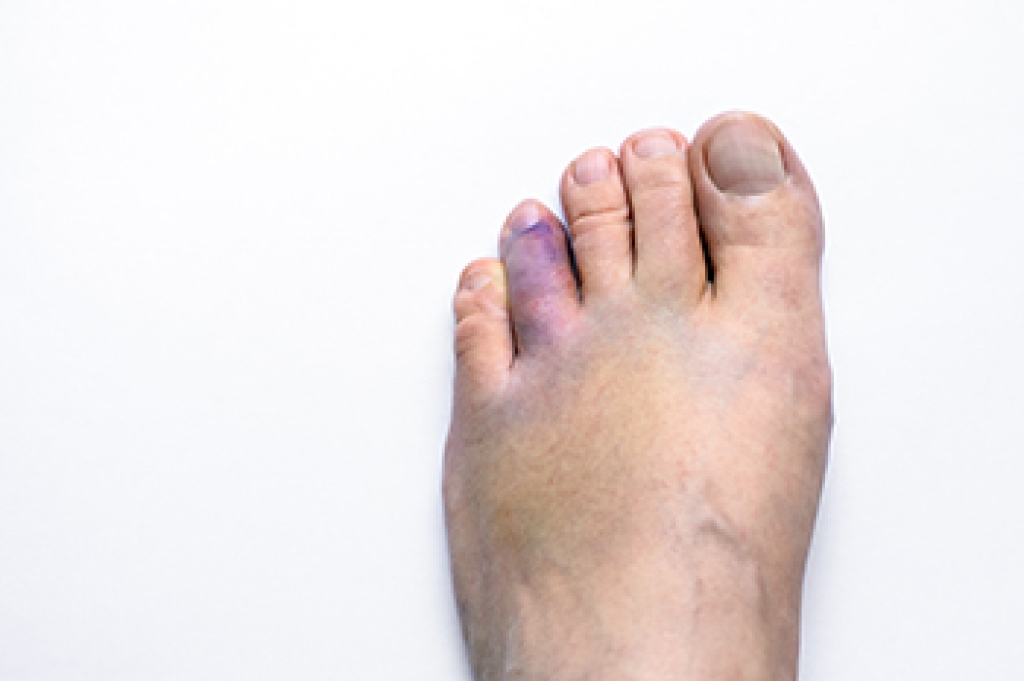
Foot fractures are broken bones resulting from trauma, falls, sports injuries, or repetitive stress. The feet may look swollen, bruised, or deformed, and in some cases the toes or midfoot may appear misaligned. Symptoms include sharp, intense pain at the time of injury, followed by tenderness, difficulty walking, or an inability to bear weight. Stress fractures, which are small hairline cracks in the bones, are common in athletes and dancers due to repetitive impact and may not be immediately visible on X-rays. A podiatrist can provide a thorough evaluation, including physical examination and imaging such as X-rays or an MRI, to confirm the diagnosis and determine the severity of the foot fracture. Treatment options include immobilization with casts or splints, protective footwear, activity modification, or in severe cases surgery. Early professional care promotes proper healing, reduces pain, and prevents long-term complications. If you suspect a foot fracture, it is suggested that you make an appointment with a podiatrist.

A broken foot requires immediate medical attention and treatment. If you need your feet checked, contact Katie Besselman, DPM from Advanced Podiatry. Our doctor can provide the care you need to keep you pain-free and on your feet.

Broken Foot Causes, Symptoms, and Treatment

A broken foot is caused by one of the bones in the foot typically breaking when bended, crushed, or stretched beyond its natural capabilities. Usually the location of the fracture indicates how the break occurred, whether it was through an object, fall, or any other type of injury. 

Common Symptoms of Broken Feet:

  • Bruising
  • Pain
  • Redness
  • Swelling
  • Blue in color
  • Numbness
  • Cold
  • Misshapen
  • Cuts
  • Deformities

Those that suspect they have a broken foot shoot seek urgent medical attention where a medical professional could diagnose the severity.

Treatment for broken bones varies depending on the cause, severity and location. Some will require the use of splints, casts or crutches while others could even involve surgery to repair the broken bones. Personal care includes the use of ice and keeping the foot stabilized and elevated.

If you have any questions, please feel free to contact our office located in Saint Peters, MO . We offer the newest diagnostic and treatment technologies for all your foot care needs.

Read more about Causes, Symptoms, and Treatment for a Broken Foot

Connect With Us

scroll to top