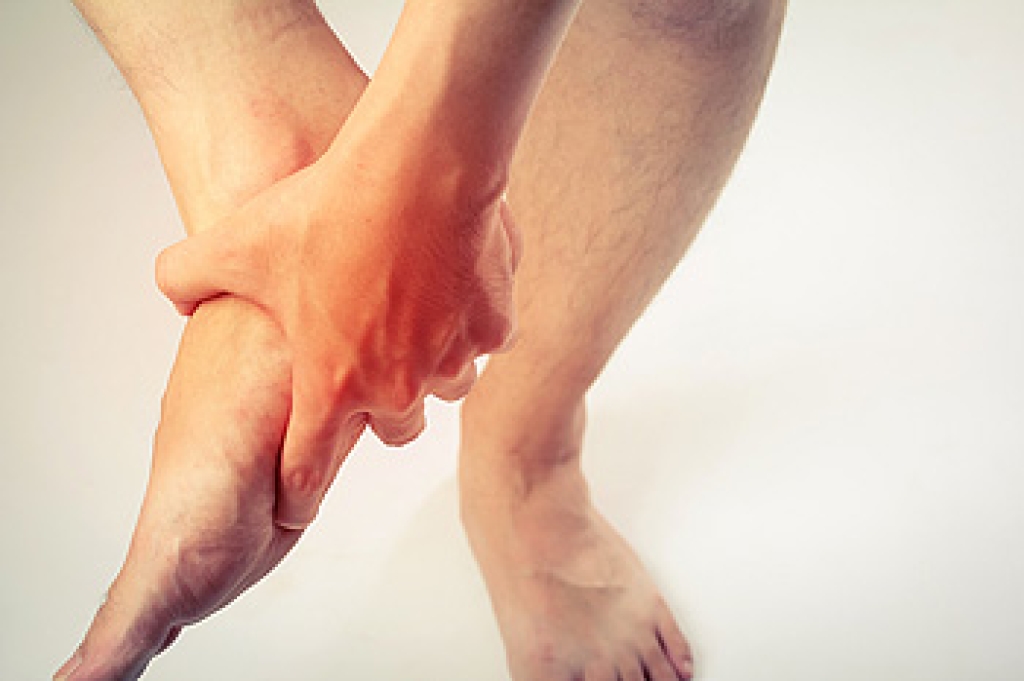
Dealing With Cracked Heels in Warmer Weather

Warm weather can be hard on the heels, especially because people spend more time barefoot or wearing sandals and flip-flops. Heat and dry air cause the skin on the feet to lose moisture faster. Open-backed shoes also expose the heels to pressure and friction while walking. This causes the skin to thicken, dry out, and crack. Some cracks stay small, but deeper cracks can bleed and become painful. People with diabetes or poor circulation face a higher risk of infection and slow healing. A podiatrist can examine the heels and remove thick, damaged skin safely. Treatment also includes special creams to soften dry skin and recommendations for supportive footwear that protects the heels. Wearing shoes that fit properly and keeping the feet moisturized can help prevent painful cracks in the summer months. If you have cracked heels, it is suggested that you make an appointment with a podiatrist for an exam and treatment options.

Cracked heels are unsightly and can cause further damage to your shoes and feet. If you have any concerns, contact Katie Besselman, DPM from Advanced Podiatry. Our doctor can provide the care you need to keep you pain-free and on your feet.

Cracked Heels

Cracked heels appear unappealing and can make it harder for you walk around in sandals. Aside from looking unpleasant, cracked heels can also tear stockings, socks, and wear out your shoes. There are several methods to help restore a cracked heel and prevent further damage.

How Do You Get Them?

Dry skin is the number one culprit in creating cracked heels. Many athletes, walkers, joggers, and even swimmers suffer from cracked heels. Age and skin oil production play a role to getting cracked heels as well.

Promote Healing

Over the counter medicines can help, especially for those that need instant relief or who suffer from chronic dry feet.

Wear Socks – Wearing socks with medicated creams helps lock in moisture.

Moisturizers – Applying both day and night will help alleviate dryness which causes cracking.

Pumice Stones – These exfoliate and remove dead skin, which allows for smoother moisturizer application and better absorption into the skin. 

Change in Diet

Eating healthy with a well-balanced diet will give the skin a fresh and radiant look. Your body responds to the kinds of food you ingest. Omega-3 fatty acids and zinc supplements can also revitalize skin tissue.

Most importantly, seek professional help if unsure how to proceed in treating cracked heels. A podiatrist will help you with any questions or information needed. 

If you have any questions, please feel free to contact our office located in Saint Peters, MO . We offer the newest diagnostic and treatment technologies for all your foot care needs.
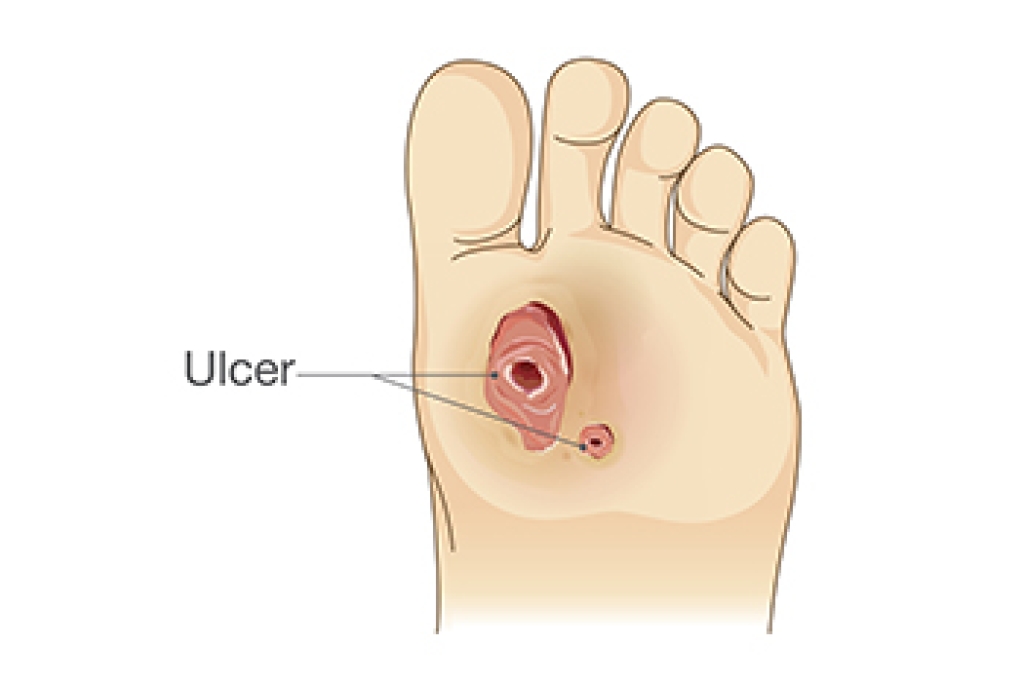
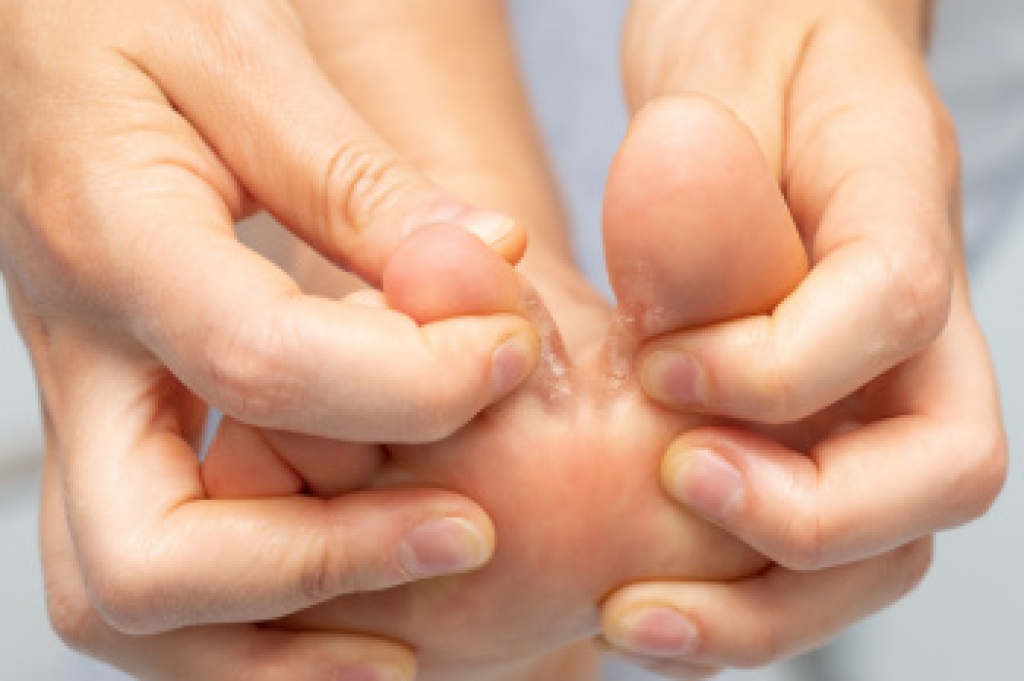
Read more about Solutions for Cracked Heels

Gout Pain Can Be Managed

Gout is a painful, inflammatory form of arthritis. Those affected will typically feel an intense stiffness in the joints of their feet, particularly in the big toe. Schedule a visit to learn about how gout can be managed and treated.

Helping Children With Foot Support

Children can develop a range of foot conditions that affect how they walk and play. Flat feet occur when the arch does not form fully, causing the foot to roll inward and place stress on joints. In contrast, a rigid high-arch foot places excess pressure on the heel and ball of the foot, often leading to discomfort and poor shock absorption. These conditions may appear as uneven wear on shoes, frequent tripping, or complaints of foot pain after activity. They can develop due to genetics, growth patterns, or muscle imbalance. A podiatrist can evaluate foot structure and movement, then design custom orthotics to support proper alignment and improve function. Early care can help prevent long-term issues with walking and posture. If your child has foot pain, it is suggested that you consult a podiatrist who can determine the cause and discuss the benefits of custom-made orthotics with you.

The health of a child’s feet is vital to their overall well-being. If you have any questions regarding foot health, contact Katie Besselman, DPM of Advanced Podiatry. Our doctor can provide the care you need to keep you pain-free and on your feet.

Tips for Keeping Children's Feet Healthy

  • Make sure their shoes fit properly
  • Look for any signs of in-toeing or out-toeing
  • Check to see if they have Clubfoot (condition that affects your child’s foot and ankle, twisting the heel and toes inward) which is one of the most common nonmajor birth defects.
  • Lightly cover your baby’s feet (Tight covers may keep your baby from moving their feet freely, and could prevent normal development)
  • Allow your toddler to go shoeless (Shoes can be restricting for a young child’s foot)
  • Cut toenails straight across to avoid ingrown toenails
  • Keep your child’s foot clean and dry
  • Cover cuts and scrapes. Wash any scratches with soap and water and cover them with a bandage until they’ve healed.

If you have any questions, please feel free to contact our office located in Saint Peters, MO . We offer the newest diagnostic and treatment technologies for all your foot care needs.
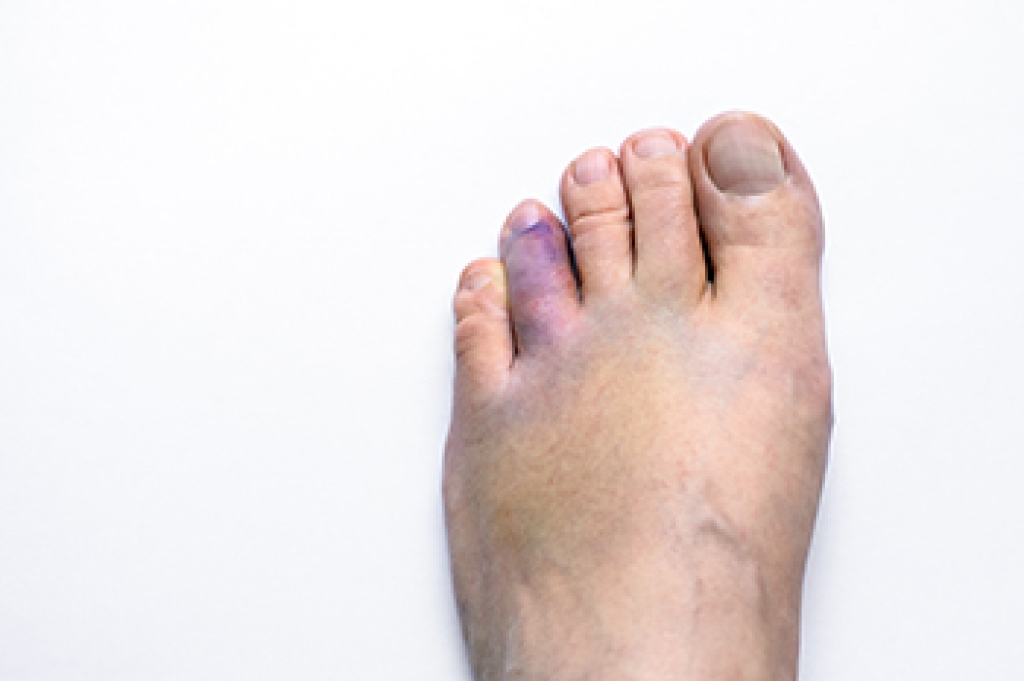
Read more about How to Care for Your Child's Feet

Types of Foot Arthritis

Arthritis in the feet causes inflammation and damage within the joints, leading to discomfort and reduced mobility. Several types can affect the feet, including osteoarthritis, which involves wear and tear of cartilage. Rheumatoid arthritis is an autoimmune condition that attacks joint lining. Psoriatic arthritis is linked to psoriasis, and gout is caused by crystal buildup in the joints, often affecting the big toe. Symptoms include pain, swelling, stiffness, and difficulty walking. Causes and risk factors include aging, joint injury, genetics, and underlying health conditions. Without proper care, symptoms can worsen over time. A podiatrist can evaluate the condition, provide treatment options, and recommend supportive footwear. If you have symptoms of arthritis in your feet, it is suggested that you consult a podiatrist who can offer effective relief and management tips.

Arthritis can be a difficult condition to live with. If you are seeking treatment, contact Katie Besselman, DPM from Advanced Podiatry. Our doctor can provide the care you need to keep you pain-free and on your feet.

Arthritic Foot Care  

Arthritis is a joint disorder that involves the inflammation of different joints in your body, such as those in your feet. Arthritis is often caused by a degenerative joint disease and causes mild to severe pain in all affected areas. In addition to this, swelling and stiffness in the affected joints can also be a common symptom of arthritis.

In many cases, wearing ill-fitting shoes can worsen the effects and pain of arthritis. Wearing shoes that have a lower heel and extra room can help your feet feel more comfortable. In cases of rheumatoid arthritis, the arch in your foot may become problematic. Buying shoes with proper arch support that contour to your feet can help immensely.

Alleviating Arthritic Pain

  • Exercises that stretch the foot can prevent further pain and injury and increase mobility
  • Most of the pain can be alleviated with anti-inflammatory drugs, heat, and topical medications
  • Massages can help temporarily alleviate pain.

It is best to see your doctor for the treatment that is right for your needs and symptoms. Conditions vary, and a podiatrist can help you determine the right method of care for your feet.

If you have any questions please feel free to contact our office located in Saint Peters, MO . We offer the newest diagnostic tools and technology to treat your foot and ankle needs.

Read more about Arthritic Foot Care

Not Every Child's Heel Pain Is Sever's Disease

Heel pain in active children is often linked to Sever's disease, a common condition caused by irritation at the growth plate in the heel during periods of rapid growth and repeated activity. However, not every young athlete with heel pain has this condition. Similar symptoms may come from Achilles tendon strain, bone stress injuries, deep bruising, or other joint-related problems. Running, jumping, and frequent training can place repeated stress on the heel, making proper diagnosis important when pain does not improve. A podiatrist can evaluate where the pain is located, review activity history, assess walking patterns, and order imaging if needed, to identify the true cause. Running, jumping, and high impact sports can place repeated stress on the heel, making diagnosis important when pain continues. A podiatrist can evaluate the location of pain, activity history, walking pattern, and imaging if needed, to determine the exact cause. Proper diagnosis helps ensure the child receives the right treatment and avoids worsening the problem by continuing sports too soon. If your child has ongoing heel pain during athletic activity, it is suggested that you visit a podiatrist for an accurate diagnosis and effective treatment.

Many people suffer from bouts of heel pain. For more information, contact Katie Besselman, DPM of Advanced Podiatry. Our doctor can provide the care you need to keep you pain-free and on your feet.

Causes of Heel Pain

Heel pain is often associated with plantar fasciitis. The plantar fascia is a band of tissues that extends along the bottom of the foot. A rip or tear in this ligament can cause inflammation of the tissue.

Achilles tendonitis is another cause of heel pain. Inflammation of the Achilles tendon will cause pain from fractures and muscle tearing. Lack of flexibility is also another symptom.

Heel spurs are another cause of pain. When the tissues of the plantar fascia undergo a great deal of stress, it can lead to ligament separation from the heel bone, causing heel spurs.

Why Might Heel Pain Occur?

  • Wearing ill-fitting shoes                
  • Wearing non-supportive shoes
  • Weight change           
  • Excessive running

Treatments

Heel pain should be treated as soon as possible for immediate results. Keeping your feet in a stress-free environment will help. If you suffer from Achilles tendonitis or plantar fasciitis, applying ice will reduce the swelling. Stretching before an exercise like running will help the muscles. Using all these tips will help make heel pain a condition of the past.

If you have any questions, please feel free to contact our office located in Saint Peters, MO . We offer the newest diagnostic and treatment technologies for all your foot care needs.

Read more about Heel Pain

Connect With Us

Advanced Podiatric Procedures & Services in the St. Charles County, MO: Saint Peters, (O'Fallon, St Charles, Wentzville, Lake St Louis, Dardenne Prairie, Cottleville, Weldon Spring) and St. Louis County, MO: Maryland Heights, Bridgeton, Earth City areas