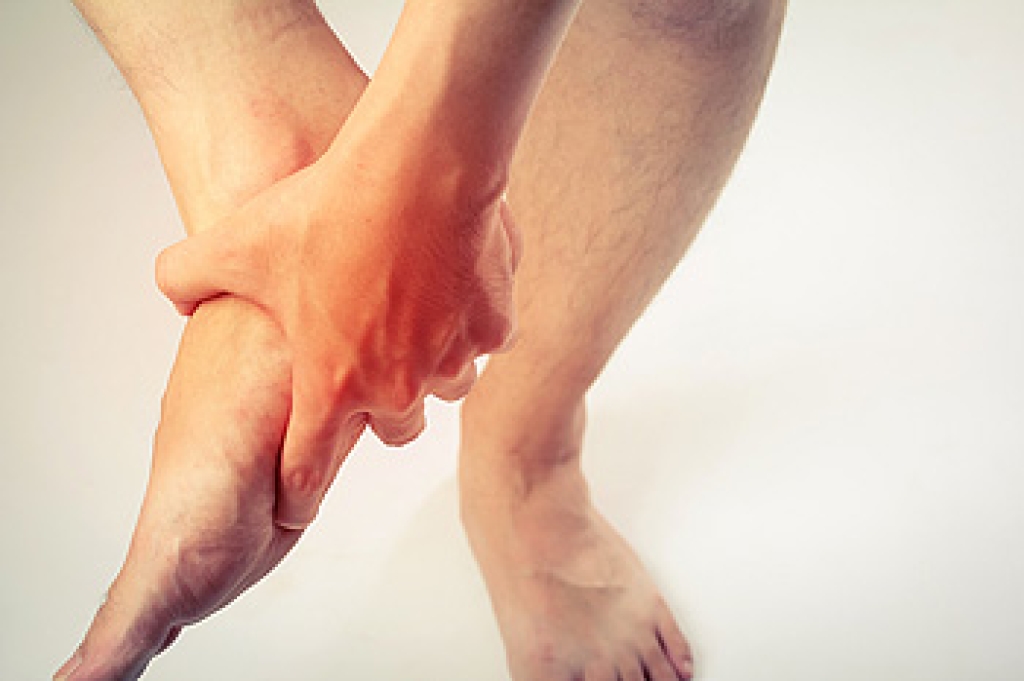
Hidden Cause of Heel Pain

Heel pain is often linked to plantar fasciitis, but some hidden causes are frequently overlooked. One example is Baxter’s nerve entrapment, which may account for a significant portion of long-lasting heel pain. This condition occurs when a small nerve in the heel becomes compressed or trapped by nearby tissues. Nerves carry signals that control feeling and movement, so when one becomes irritated, it can cause burning pain, numbness, or tingling in the heel. Symptoms may worsen after activities that involve repeated heel impact, like running or long periods of walking. People with flat feet, overpronation, or tight footwear may face a higher risk. Bone spurs, swelling, or muscle pressure can also narrow the space around the nerve. A podiatrist can evaluate heel pain through a detailed exam, medical history, and imaging when necessary to identify the exact cause. If you have heel pain, it is suggested that you make an appointment with a podiatrist for an exam, diagnosis, and treatment.

Many people suffer from bouts of heel pain. For more information, contact Katie Besselman, DPM of Advanced Podiatry. Our doctor can provide the care you need to keep you pain-free and on your feet.

Causes of Heel Pain

Heel pain is often associated with plantar fasciitis. The plantar fascia is a band of tissues that extends along the bottom of the foot. A rip or tear in this ligament can cause inflammation of the tissue.

Achilles tendonitis is another cause of heel pain. Inflammation of the Achilles tendon will cause pain from fractures and muscle tearing. Lack of flexibility is also another symptom.

Heel spurs are another cause of pain. When the tissues of the plantar fascia undergo a great deal of stress, it can lead to ligament separation from the heel bone, causing heel spurs.

Why Might Heel Pain Occur?

  • Wearing ill-fitting shoes                
  • Wearing non-supportive shoes
  • Weight change           
  • Excessive running

Treatments

Heel pain should be treated as soon as possible for immediate results. Keeping your feet in a stress-free environment will help. If you suffer from Achilles tendonitis or plantar fasciitis, applying ice will reduce the swelling. Stretching before an exercise like running will help the muscles. Using all these tips will help make heel pain a condition of the past.

If you have any questions, please feel free to contact our office located in Saint Peters, MO . We offer the newest diagnostic and treatment technologies for all your foot care needs.
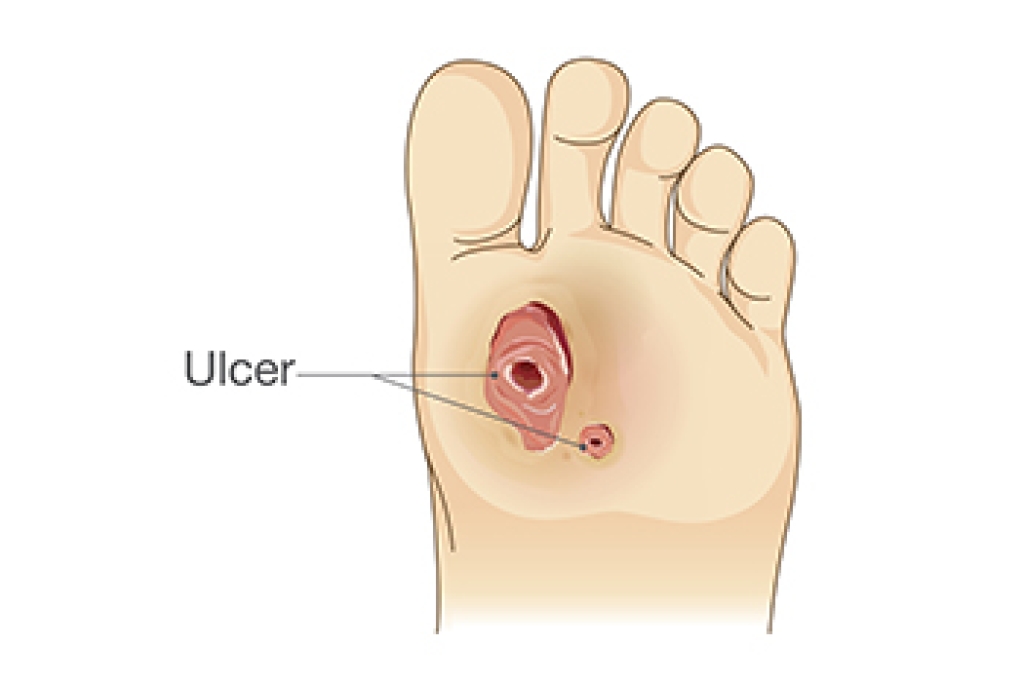
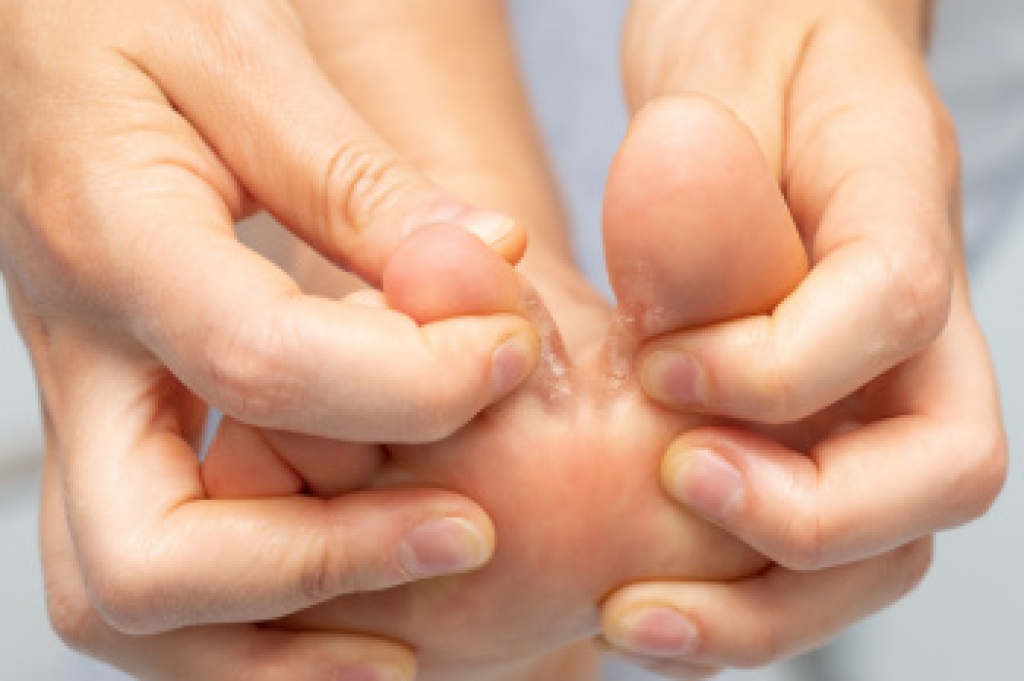
Read more about Heel Pain

Foot Anatomy and How It Supports Movement

The foot is a complex weight-bearing structure made of bones, joints, tendons and ligaments that work together to support standing, walking and running. Key bones include the talus, which connects the foot to the ankle, the calcaneus which forms the heel, and the navicular, cuboid, and the cuneiforms that create the arch and midfoot stability. These bones form joints that allow smooth coordinated motion while tendons attach muscles to bone to generate movement. Ligaments provide stability by holding the bones in proper alignment. Together they absorb shock, adapt to uneven surfaces and propel the body forward. A podiatrist can evaluate biomechanical function, treat pain, and prevent injury. If you have foot or ankle pain, it is suggested that you consult a podiatrist who can offer effective treatment solutions, and expert tips on how to maintain strong, healthy feet.

If you have any concerns about your feet, contact Katie Besselman, DPM from Advanced Podiatry. Our doctor can provide the care you need to keep you pain-free and on your feet.

Biomechanics in Podiatry

Podiatric biomechanics is a particular sector of specialty podiatry with licensed practitioners who are trained to diagnose and treat conditions affecting the foot, ankle and lower leg. Biomechanics deals with the forces that act against the body, causing an interference with the biological structures. It focuses on the movement of the ankle, the foot and the forces that interact with them.

A History of Biomechanics

  • Biomechanics dates back to the BC era in Egypt where evidence of professional foot care has been recorded.
  • In 1974, biomechanics gained a higher profile from the studies of Merton Root, who claimed that by changing or controlling the forces between the ankle and the foot, corrections or conditions could be implemented to gain strength and coordination in the area.

Modern technological improvements are based on past theories and therapeutic processes that provide a better understanding of podiatric concepts for biomechanics. Computers can provide accurate information about the forces and patterns of the feet and lower legs.

Understanding biomechanics of the feet can help improve and eliminate pain, stopping further stress to the foot.

If you have any questions please feel free to contact our office located in Saint Peters, MO . We offer the newest diagnostic and treatment technologies for all your foot and ankle needs.

Read more about Biomechanics in Podiatry

Cuboid Sling Surgery for Midfoot Stability

Cuboid sling surgery is a procedure used to address ongoing pain and instability along the outside of the foot, often involving the cuboid bone. This small bone plays a key role in foot balance and weight transfer during walking. When the cuboid shifts or becomes unstable due to injury, ligament damage, or chronic strain, patients may experience sharp lateral foot pain that does not improve with conservative care. A cuboid sling procedure is designed to stabilize the bone by supporting it with surrounding soft tissue, helping restore proper alignment and reduce abnormal motion. The goal is to improve function, decrease pain, and allow the foot to move more efficiently. Recovery typically includes a period of protection followed by gradual return to activity. If outer foot pain persists despite treatment, it is suggested that you see a podiatrist to determine whether surgical correction is appropriate.

Cuboid syndrome, also known as cuboid subluxation, occurs when the joints and ligaments near the cuboid bone in the foot become torn. If you have cuboid syndrome, consult with Katie Besselman, DPM from Advanced Podiatry. Our doctor will assess your condition and provide you with quality foot and ankle treatment.

Cuboid syndrome is a common cause of lateral foot pain, which is pain on the outside of the foot. The condition may happen suddenly due to an ankle sprain, or it may develop slowly overtime from repetitive tension through the bone and surrounding structures.

Causes

The most common causes of cuboid syndrome include:

  • Injury – The most common cause of this ailment is an ankle sprain.
  • Repetitive Strain – Tension placed through the peroneus longus muscle from repetitive activities such as jumping and running may cause excessive traction on the bone causing it to sublux.
  • Altered Foot Biomechanics – Most people suffering from cuboid subluxation have flat feet.

Symptoms

A common symptom of cuboid syndrome is pain along the outside of the foot which can be felt in the ankle and toes. This pain may create walking difficulties and may cause those with the condition to walk with a limp.

Diagnosis

Diagnosis of cuboid syndrome is often difficult, and it is often misdiagnosed. X-rays, MRIs and CT scans often fail to properly show the cuboid subluxation. Although there isn’t a specific test used to diagnose cuboid syndrome, your podiatrist will usually check if pain is felt while pressing firmly on the cuboid bone of your foot.

Treatment

Just as the range of causes varies widely, so do treatments. Some more common treatments are ice therapy, rest, exercise, taping, and orthotics.

If you have any questions, please feel free to contact our office located in Saint Peters, MO . We offer the newest diagnostic and treatment technologies for all your foot care needs.
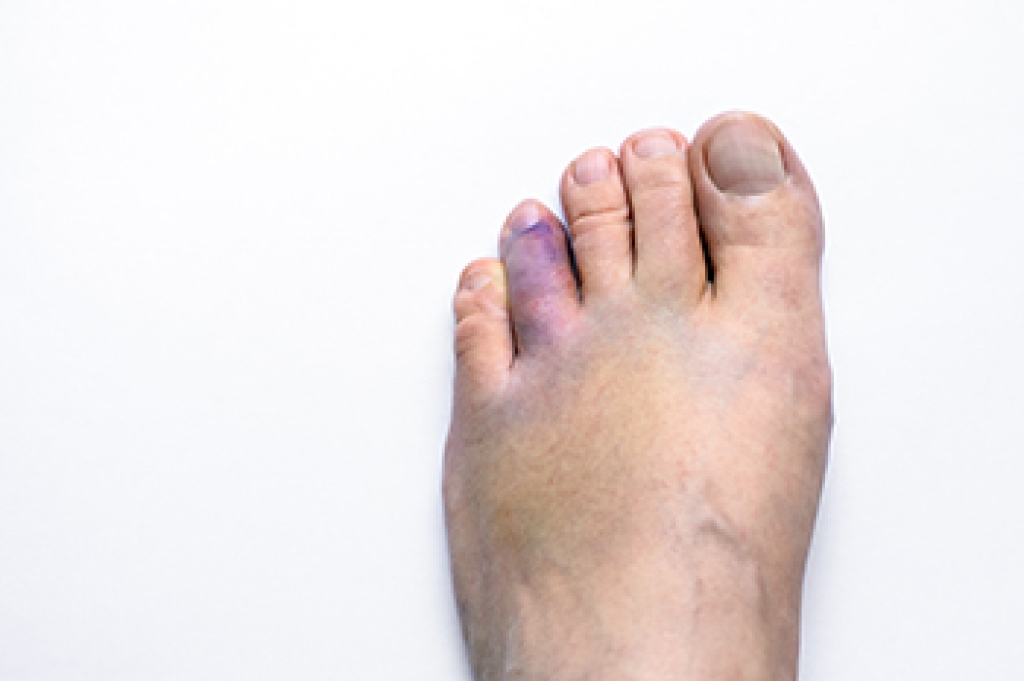
Read more about Cuboid Syndrome

Causes of an Infected Foot Blister

An infected foot blister develops when a fluid filled lesion on the skin becomes contaminated with bacteria, often after friction, pressure, or improper care. Blisters commonly form from wearing tight footwear, prolonged walking, or moisture that irritates the skin. When infection occurs, symptoms may include increased pain, redness, warmth, swelling, foul smell, and the presence of pus. The surrounding skin may feel tender and appear inflamed, making walking uncomfortable. Relief options include keeping the area clean, protected, and properly dressed to reduce further irritation. A podiatrist can evaluate the severity of the infection, provide appropriate treatment to prevent complications. If you have a foot blister that has become infected, it is suggested that you consult a podiatrist who can offer effective treatment and prevention solutions.

Blisters may appear as a single bubble or in a cluster. They can cause a lot of pain and may be filled with pus, blood, or watery serum. If your feet are hurting, contact Katie Besselman, DPM of Advanced Podiatry. Our doctor can provide the care you need to keep you pain-free and on your feet.

Foot Blisters

Foot blisters are often the result of friction. This happens due to the constant rubbing from shoes, which can lead to pain.

What Are Foot Blisters?

A foot blister is a small fluid-filled pocket that forms on the upper-most layer of the skin. Blisters are filled with clear fluid and can lead to blood drainage or pus if the area becomes infected.

Symptoms

(Blister symptoms may vary depending on what is causing them)

  • Bubble of skin filled with fluid
  • Redness
  • Moderate to severe pain
  • Itching

Prevention & Treatment

In order to prevent blisters, you should be sure to wear comfortable shoes with socks that cushion your feet and absorb sweat. Breaking a blister open may increase your chances of developing an infection. However, if your blister breaks, you should wash the area with soap and water immediately and then apply a bandage to the affected area. If your blisters cause severe pain it is important that you call your podiatrist right away.

If you have any questions, please feel free to contact our office located in Saint Peters, MO . We offer the newest diagnostic and treatment technologies for all your foot care needs.

Read more about Blisters

Are You Suffering From Nerve Damage?

Neuropathy is a condition that can lead to numbness or loss of sensation in the feet, but it can also cause pain. This condition is more likely to develop for those who are diabetic, obese, or with high blood pressure.

Connect With Us

scroll to top