Offloading Strategies That Help Foot Wounds Heal

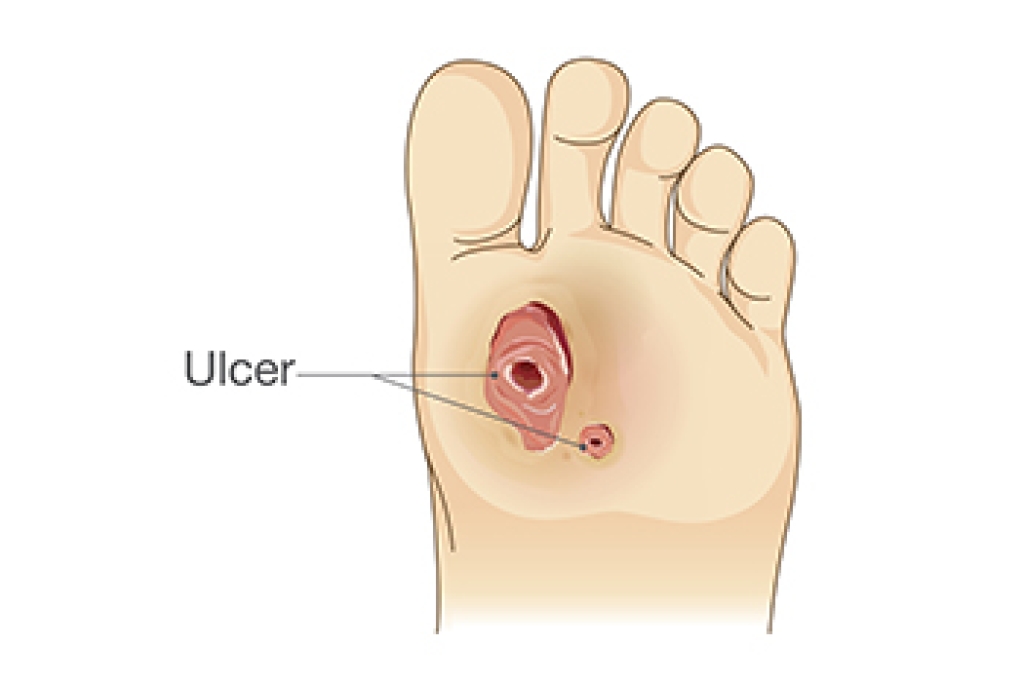
Wounds on the feet can develop for many reasons. Diabetes, poor circulation, nerve damage, pressure points, in addition to wearing ill-fitting shoes, surgery, and trauma can all break the skin and slow healing. Treatment often includes wound cleaning, infection control, specialized dressings, and sometimes antibiotics or advanced therapies. Offloading is just as important as these treatments. Offloading means reducing pressure on the wounded area so new tissue can form. This may involve a surgical shoe, removable boot, cast, custom insert, or temporary padding. When pressure continues, wounds reopen or fail to heal, even with good care. Proper offloading allows blood flow to improve and inflammation to settle. It also helps prevent deeper infection and further breakdown. Following offloading instructions at home is essential. Walking barefoot or skipping use of devices can reverse progress. Early care often improves outcomes. If you have sustained any kind of foot wound, it is suggested that you see a podiatrist for proper treatment and care.

Wound care is an important part in dealing with diabetes. If you have diabetes and a foot wound or would like more information about wound care for diabetics, consult with Katie Besselman, DPM from Advanced Podiatry. Our doctor will assess your condition and provide you with quality foot and ankle treatment.

What Is Wound Care?

Wound care is the practice of taking proper care of a wound. This can range from the smallest to the largest of wounds. While everyone can benefit from proper wound care, it is much more important for diabetics. Diabetics often suffer from poor blood circulation which causes wounds to heal much slower than they would in a non-diabetic. 

What Is the Importance of Wound Care?

While it may not seem apparent with small ulcers on the foot, for diabetics, any size ulcer can become infected. Diabetics often also suffer from neuropathy, or nerve loss. This means they might not even feel when they have an ulcer on their foot. If the wound becomes severely infected, amputation may be necessary. Therefore, it is of the upmost importance to properly care for any and all foot wounds.

How to Care for Wounds

The best way to care for foot wounds is to prevent them. For diabetics, this means daily inspections of the feet for any signs of abnormalities or ulcers. It is also recommended to see a podiatrist several times a year for a foot inspection. If you do have an ulcer, run the wound under water to clear dirt from the wound; then apply antibiotic ointment to the wound and cover with a bandage. Bandages should be changed daily and keeping pressure off the wound is smart. It is advised to see a podiatrist, who can keep an eye on it.

If you have any questions please contact our office located in Saint Peters, MO . We offer the newest diagnostic and treatment technologies for all your foot and ankle needs.

Read more about Wound Care

When Small Cracks in the Foot Become a Big Problem

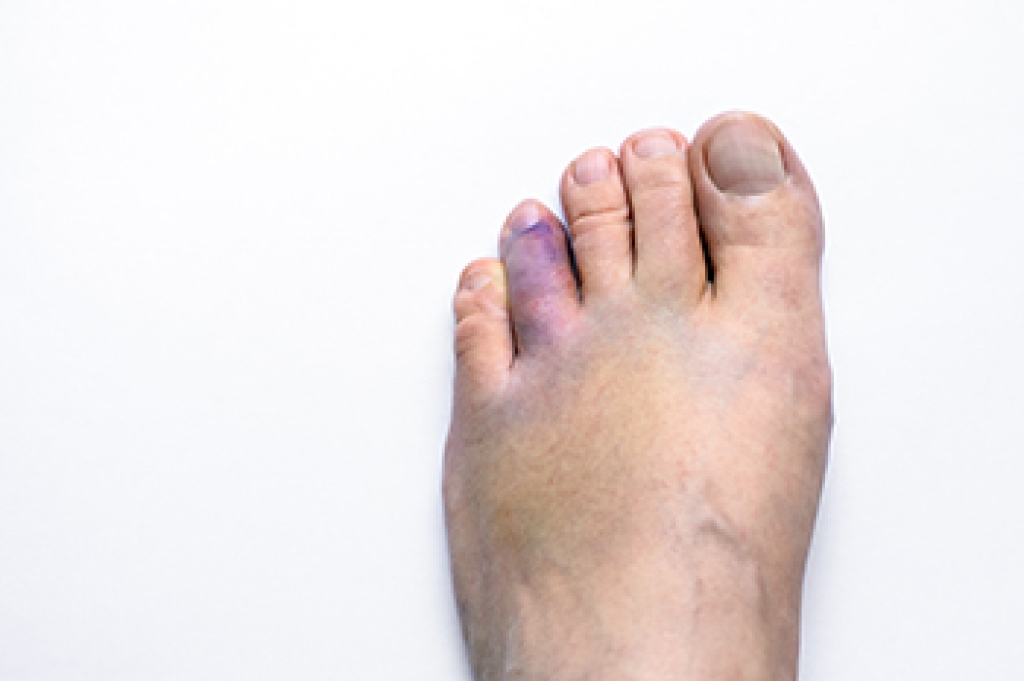
Stress fractures of the foot are tiny cracks in bone caused by repetitive force rather than a single injury. They often develop when activity levels increase too quickly or when the foot absorbs repeated impact without enough recovery time. Runners, walkers, and people who stand for long hours are commonly affected. Pain usually begins gradually and worsens with weight-bearing activity, then improves with rest. Swelling and tenderness over a specific area of the foot are common signs. Treatment focuses on allowing the bone to heal. This may include activity modification, wearing protective footwear, immobilization, or temporary use of a walking boot. Addressing contributing factors such as footwear, bone health, and foot structure is important to prevent recurrence. Ignoring symptoms can lead to more serious fractures. If foot pain persists or increases with activity, it is suggested that you see a podiatrist for an accurate diagnosis and appropriate treatment.

Activities where too much pressure is put on the feet can cause stress fractures. To learn more, contact Katie Besselman, DPM from Advanced Podiatry. Our doctor can provide the care you need to keep your pain free and on your feet.

Dealing with Stress Fractures of the Foot and Ankle

Stress fractures occur in the foot and ankle when muscles in these areas weaken from too much or too little use.  The feet and ankles then lose support when walking or running from the impact of the ground. Since there is no protection, the bones receive the full impact of each step. Stress on the feet can cause cracks to form in the bones, thus creating stress fractures.

What Are Stress Fractures?

Stress fractures occur frequently in individuals whose daily activities cause great impact on the feet and ankles. Stress factors are most common among:

  • Runners                                
  • People affected with Osteoporosis
  • Tennis or basketball players
  • Gymnasts
  • High impact workouts

Symptoms

Pain from the fractures occur in the area of the fractures and can be constant or intermittent. It will often cause sharp or dull pain with swelling and tenderness. Engaging in any kind of activity which involves high impact will aggravate pain.

If you have any questions please contact our office located in Saint Peters, MO . We offer the newest diagnostic and treatment technologies for all your foot and ankle needs.

Read more about Dealing with Stress Fractures of the Foot and Ankle

Athlete's Foot Explained

Athlete's foot is a common fungal infection that affects the skin of the feet, most often between the toes, where moisture collects. It occurs when fungus grows in warm, damp environments and spreads through shared surfaces and footwear. Symptoms may include itching, redness, scaling, burning, cracked skin, peeling, and possibly odor. Risk factors include excessive sweating, wearing tight shoes, poor air circulation, public showers, weakened immunity, and prolonged moisture exposure. Causes involve dermatophyte fungi that thrive on moist skin and fabrics. A podiatrist can diagnose the condition accurately, provide medical treatments, recommend proper hygiene, guide footwear choices, and help prevent recurrence. If you have symptoms of athlete’s foot, it is suggested that you consult a podiatrist who can offer effective treatment solutions, which may include prescribed medication. 

Athlete’s foot is an inconvenient condition that can be easily reduced with the proper treatment. If you have any concerns about your feet and ankles, contact Katie Besselman, DPM from Advanced Podiatry.  Our doctor will treat your foot and ankle needs.

Athlete’s Foot: The Sole Story

Athlete's foot, also known as tinea pedis, can be an extremely contagious foot infection. It is commonly contracted in public changing areas and bathrooms, dormitory style living quarters, around locker rooms and public swimming pools, or anywhere your feet often come into contact with other people.

Solutions to Combat Athlete’s Foot

  • Hydrate your feet by using lotion
  • Exfoliate
  • Buff off nails
  • Use of anti-fungal products
  • Examine your feet and visit your doctor if any suspicious blisters or cuts develop

Athlete’s foot can cause many irritating symptoms such as dry and flaking skin, itching, and redness. Some more severe symptoms can include bleeding and cracked skin, intense itching and burning, and even pain when walking. In the worst cases, Athlete’s foot can cause blistering as well. Speak to your podiatrist for a better understanding of the different causes of Athlete’s foot, as well as help in determining which treatment options are best for you.

If you have any questions please feel free to contact our office located in Saint Peters, MO . We offer the newest diagnostic and treatment technologies for all your foot and ankle needs.

Read more about Athlete's Foot

Treatment Options for Achilles Insertional Tendinopathy

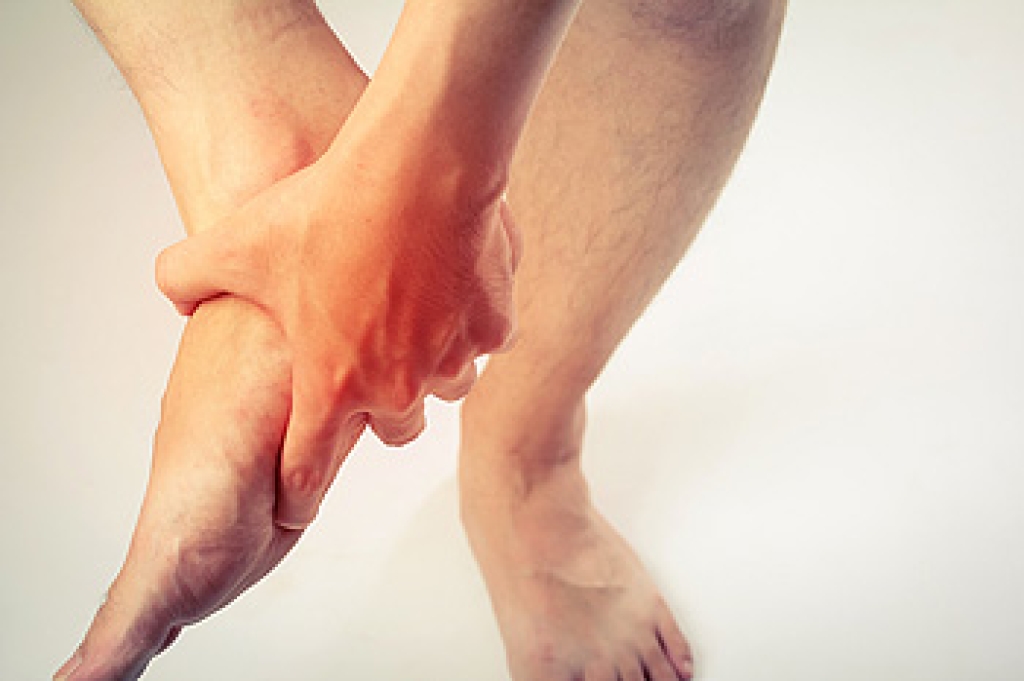
Pain where the Achilles tendon attaches to the heel bone is called Achilles insertional tendinopathy. This condition often develops gradually and can be stubborn to resolve. Treatment usually begins with reducing strain on the tendon. Activity modification is important, especially avoiding hills, stairs, and sudden increases in exercise. Wearing supportive shoes with a slightly elevated heel can decrease tension at the site. Stretching should be approached carefully, since aggressive stretching may worsen symptoms in this area. Targeted exercises often focus on strengthening the lower leg muscles and improving ankle motion in a controlled way. Anti-inflammatory measures may help calm pain and swelling. In some cases, orthotics or heel lifts are used to improve foot mechanics and reduce stress on the tendon. Advanced options may be considered if pain persists. When heel pain limits walking or daily activity, it is suggested that you see a podiatrist for a proper diagnosis and appropriate treatment.

Achilles tendon injuries need immediate attention to avoid future complications. If you have any concerns, contact Katie Besselman, DPM of Advanced Podiatry. Our doctor can provide the care you need to keep you pain-free and on your feet.

What Is the Achilles Tendon?

The Achilles tendon is a tendon that connects the lower leg muscles and calf to the heel of the foot. It is the strongest tendon in the human body and is essential for making movement possible. Because this tendon is such an integral part of the body, any injuries to it can create immense difficulties and should immediately be presented to a doctor.

What Are the Symptoms of an Achilles Tendon Injury?

There are various types of injuries that can affect the Achilles tendon. The two most common injuries are Achilles tendinitis and ruptures of the tendon.

Achilles Tendinitis Symptoms

  • Inflammation
  • Dull to severe pain
  • Increased blood flow to the tendon
  • Thickening of the tendon

Rupture Symptoms

  • Extreme pain and swelling in the foot
  • Total immobility

Treatment and Prevention

Achilles tendon injuries are diagnosed by a thorough physical evaluation, which can include an MRI. Treatment involves rest, physical therapy, and in some cases, surgery. However, various preventative measures can be taken to avoid these injuries, such as:

  • Thorough stretching of the tendon before and after exercise
  • Strengthening exercises like calf raises, squats, leg curls, leg extensions, leg raises, lunges, and leg presses

If you have any questions please feel free to contact our office located in Saint Peters, MO . We offer the newest diagnostic tools and technology to treat your foot and ankle needs.

Read more about Achilles Tendon Injuries

Connect With Us

scroll to top