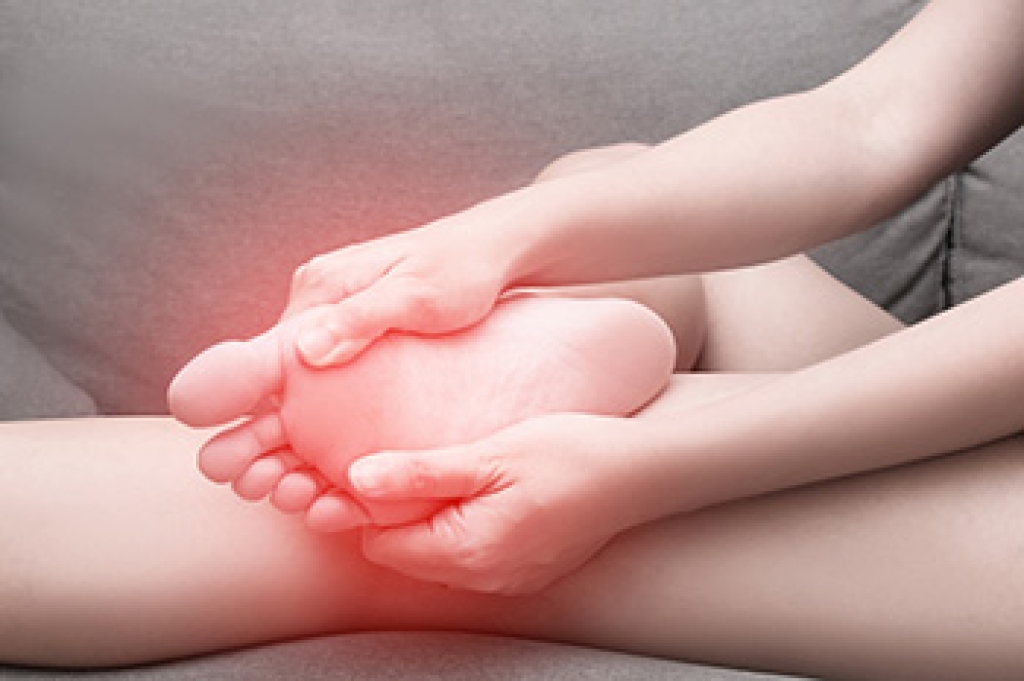
Common Causes of Foot Pain

Foot pain can stem from a variety of factors, with improper footwear being one of the most common culprits. Wearing shoes that are too tight, too loose, or lack proper support can lead to a range of foot problems. One common condition caused by poor footwear is plantar fasciitis, where inflammation occurs in the band of tissue connecting the heel to the toes, causing heel pain. Corns, which are thickened areas of skin, can also develop from pressure or friction from ill-fitting shoes, leading to discomfort. Ingrown toenails, another frequent cause of foot pain, occur when a toenail grows into the surrounding skin, causing irritation and swelling. Achilles tendonitis is an overuse injury affecting the tendon at the back of the heel, causing pain and stiffness, especially during physical activities. Proper footwear, regular foot care, and addressing these issues early can help alleviate foot pain and prevent further complications. If you have any type of foot pain, it is suggested that you contact a podiatrist who can offer you a proper diagnosis and effective relief and treatment solutions.

Foot Pain

Foot pain can be extremely painful and debilitating. If you have a foot pain, consult with Katie Besselman, DPM from Advanced Podiatry. Our doctor will assess your condition and provide you with quality foot and ankle treatment.

Causes

Foot pain is a very broad condition that could be caused by one or more ailments. The most common include:

  • Bunions
  • Hammertoes
  • Plantar Fasciitis
  • Bone Spurs
  • Corns
  • Tarsal Tunnel Syndrome
  • Ingrown Toenails
  • Arthritis (such as Gout, Rheumatoid, and Osteoarthritis)
  • Flat Feet
  • Injury (from stress fractures, broken toe, foot, ankle, Achilles tendon ruptures, and sprains)
  • And more

Diagnosis

To figure out the cause of foot pain, podiatrists utilize several different methods. This can range from simple visual inspections and sensation tests to X-rays and MRI scans. Prior medical history, family medical history, and any recent physical traumatic events will all be taken into consideration for a proper diagnosis.

Treatment

Treatment depends upon the cause of the foot pain. Whether it is resting, staying off the foot, or having surgery; podiatrists have a number of treatment options available for foot pain.

If you have any questions, please feel free to contact our office located in Saint Peters, MO . We offer the newest diagnostic and treatment technologies for all your foot care needs.
Read more about Foot Pain

Wounds That Don't Heal Need to Be Checked

Your feet are covered most of the day. If you're diabetic, periodic screening is important for good health. Numbness is often a sign of diabetic foot and can mask a sore or wound.

Kids Foot Conditions

Children’s feet go through many changes, and common issues like bow legs, knock knees, and tiptoe walking often appear during growth. Bow legs cause a gap between the knees when standing with feet together and are typical in toddlers due to natural bone development. Knock knees, where the knees touch but ankles stay apart, can emerge around ages three to five, and usually resolve by age seven. Tiptoe walking, where a child walks on the balls of their feet, may occur as they learn to walk or from tight muscles. These conditions often correct themselves as kids grow, but persistent issues or difficulty walking may signal a problem. If your child exhibits concerning problems with respect to their feet or ankles, it is suggested that you see a podiatrist promptly to prevent complications and ensure healthy foot development.

Making sure that your children maintain good foot health is very important as they grow. If you have any questions, contact Katie Besselman, DPM of Advanced Podiatry. Our doctor can provide the care you need to keep you pain-free and on your feet.

Keeping Children's Feet Healthy

Having healthy feet during childhood can help prevent medical problems later in life, namely in the back and legs. As children grow, their feet require different types of care. Here are some things to consider...

Although babies do not walk yet, it is still very important to take care of their feet.

Avoid putting tight shoes or socks on his or her feet.

Allow the baby to stretch and kick his or her feet to feel comfortable.

As a toddler, kids are now on the move and begin to develop differently. At this age, toddlers are getting a feel for walking, so don’t be alarmed if your toddler is unsteady or ‘walks funny’. 

As your child gets older, it is important to teach them how to take care of their feet.

Show them proper hygiene to prevent infections such as fungus.

Be watchful for any pain or injury.

Have all injuries checked by a doctor as soon as possible.

Comfortable, protective shoes should always be worn, especially at play.

If you have any questions, please feel free to contact our office located in Saint Peters, MO . We offer the newest diagnostic and treatment technologies for all your foot care needs.
Read more about What to Do to Keep Your Child’s Feet Healthy

Explanation of Hammertoe

Hammertoe occurs when one or more of the smaller toes become bent in a Z-shaped position, due to an imbalance in the tendons or poor joint alignment. Common causes of hammertoe include wearing ill-fitting shoes, having unusually long toes or metatarsal bones, or conditions like rheumatoid arthritis. The second toe is most frequently affected, but the third and fourth toes can also develop into a hammertoe. This deformity often results in discomfort when wearing shoes, especially those with a narrow or low-toe box. Excessive friction on top of the affected toe can lead to calluses, corns, or even ulcers. In some cases of hammertoe, pain in the ball of the foot, known as metatarsalgia, develops. A podiatrist can diagnose hammertoe through an examination of the foot while assessing other joints for arthritis or other underlying conditions. Treatment options include custom orthotics to reduce pain or surgical correction for rigid deformities. If you have developed a hammertoe that is causing discomfort, it is suggested that you make an appointment with a podiatrist for an exam and treatment options.

Hammertoes can be a painful condition to live with. For more information, contact Katie Besselman, DPM of Advanced Podiatry. Our doctor will answer any of your foot- and ankle-related questions.

Hammertoe

Hammertoe is a foot deformity that occurs due to an imbalance in the muscles, tendons, or ligaments that normally hold the toe straight. It can be caused by the type of shoes you wear, your foot structure, trauma, and certain disease processes.

Symptoms

  • Painful and/or difficult toe movement
  • Swelling
  • Joint stiffness
  • Calluses/Corns
  • Physical deformity

Risk Factors

  • Age – The risk of hammertoe increases with age
  • Sex – Women are more likely to have hammertoe compared to men
  • Toe Length – You are more likely to develop hammertoe if your second toe is longer than your big toe
  • Certain Diseases – Arthritis and diabetes may make you more likely to develop hammertoe

Treatment

If you have hammertoe, you should change into a more comfortable shoe that provides enough room for your toes. Exercises such as picking up marbles may strengthen and stretch your toe muscles. Nevertheless, it is important to seek assistance from a podiatrist in order to determine the severity of your hammertoe and see which treatment option will work best for you.

If you have any questions, please feel free to contact our office located in Saint Peters, MO . We offer the newest diagnostic and treatment technologies for all your foot care needs.
Read more about Hammertoe

Early Signs of Diabetic Foot Complications

Diabetic foot complications can develop silently and progress quickly if not addressed early. One of the first signs is a cut or wound that refuses to heal. High blood sugar levels can impair the body's ability to fight infection and repair tissues, making even small cuts potentially dangerous. Pain or discomfort in the feet, especially if it is persistent or worsening, may indicate nerve damage or neuropathy, a common complication of diabetes. Swelling of the feet or ankles can also signal circulation problems, which are common in diabetic patients. To avoid these complications, it is important for diabetics to regularly inspect their feet for cuts, blisters, or changes in skin color. Keeping blood sugar levels under control, wearing well-fitting shoes, and avoiding walking barefoot can help reduce the risk. If you have diabetes, it is strongly suggested that you are under the care of a podiatrist who can offer effective foot care tips and treat associated foot or ankle problems that develop.

Diabetic foot care is important in preventing foot ailments such as ulcers. If you are suffering from diabetes or have any other concerns about your feet, contact Katie Besselman, DPM from Advanced Podiatry. Our doctor can provide the care you need to keep you pain-free and on your feet.

Diabetic Foot Care

Diabetes affects millions of people every year. The condition can damage blood vessels in many parts of the body, especially the feet. Because of this, taking care of your feet is essential if you have diabetes, and having a podiatrist help monitor your foot health is highly recommended.

The Importance of Caring for Your Feet

  • Routinely inspect your feet for bruises or sores.
  • Wear socks that fit your feet comfortably.
  • Wear comfortable shoes that provide adequate support.

Patients with diabetes should have their doctor monitor their blood levels, as blood sugar levels play such a huge role in diabetic care. Monitoring these levels on a regular basis is highly advised.

It is always best to inform your healthcare professional of any concerns you may have regarding your feet, especially for diabetic patients. Early treatment and routine foot examinations are keys to maintaining proper health, especially because severe complications can arise if proper treatment is not applied.

If you have any questions, please feel free to contact our office located in Saint Peters, MO . We offer the newest diagnostic and treatment technologies for all your foot care needs.

Read more about Diabetic Foot Care

Connect With Us

scroll to top