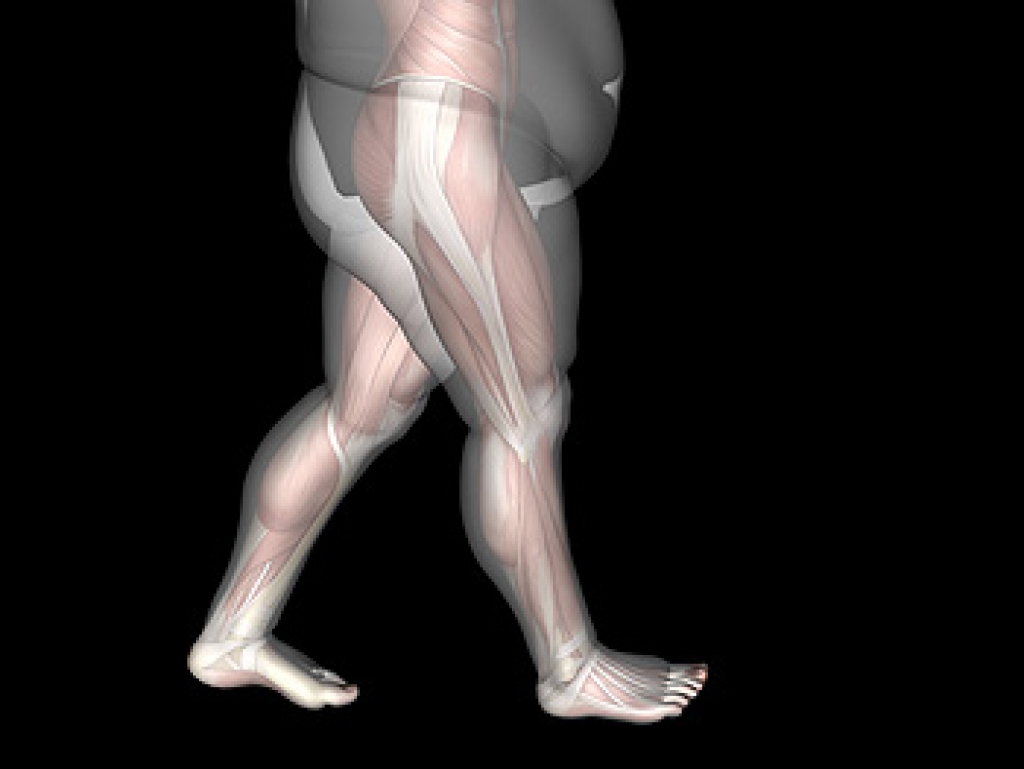
Running can improve heart health, endurance, and confidence, but running when overweight places greater force on the feet and ankles with each step. This does not mean that an overweight person should not run. A careful start can reduce strain and make this exercise more comfortable. Begin with short sessions that alternate brisk walking and easy running. Choose a flat, predictable surface rather than steep hills or uneven trails. Increase distance or speed gradually, but avoid raising both during the same week. Pain that changes your stride, causes swelling, or remains after a run deserves attention.
Proper running shoes are important because they help absorb impact and keep the feet stable. Shoes should fit the length and width of the foot without squeezing the toes or allowing the heel to slide. Replace shoes when the cushioning or tread becomes worn. Moisture-wicking socks can help limit blisters. A pre-run warmup prepares the muscles and joints for activity. Keep the pace slow enough to speak in short sentences, and schedule recovery days between runs. Stop running if sharp pain, dizziness, or unusual shortness of breath develops.
A podiatrist can examine the feet, ankles, and walking pattern before a new running program begins. The doctor can identify flat feet, limited joint movement, or areas under excess pressure. This evaluation can reveal problems that raise the chance of heel pain, tendon injuries, or stress fractures. A podiatrist can also recommend running shoes based on foot shape and gait. Custom orthotics can improve alignment and distribute pressure more evenly when appropriate. For an injury, the podiatrist can order imaging, explain activity limits, and create a plan for returning to running. Regular follow-up visits allow the doctor to check progress and adjust recommendations as mileage increases. If you are overweight and have developed foot pain while running, it is suggested that you schedule an appointment with a podiatrist for effective relief and guidance tips.
Exercising your feet regularly with the proper foot wear is a great way to prevent injuries. If you have any concerns about your feet, contact Katie Besselman, DPM of Advanced Podiatry. Our doctor will treat your foot and ankle needs.
How to Prevent Running Injuries
Many common running injuries are caused by overuse and overtraining. When the back of the kneecap starts wearing out and starts causing pain in your knee, this is commonly referred to as runner’s knee. Runner’s knee is a decrease in strength in your quadriceps and can occur if you’re not wearing properly fitted or supporting shoes. To prevent runner’s knee, focusing on hip strengthening is a good idea, as well as strengthening your quads to keep the kneecaps aligned.
What Are Some Causes of Running Injuries?
- One cause of a common running injury is called iliotibial band syndrome.
- Plantar fasciitis is also another common injury.
- Stress fractures can occur from overtraining, lack of calcium, or even your running style.
Best Ways to Prevent Running Injuries
- Wear footwear that fits properly and suits your running needs.
- Running shoes are the only protective gear that runners have to safeguard them from injury.
- Make a training schedule. Adding strengthening exercises as well as regular stretching can help keep you strong and limber and can lessen the possibility of injuries.
- Stretching keeps muscles limber; this will help you gain better flexibility.
If you have any questions, please feel free to contact our office located in Saint Peters, MO . We offer the newest diagnostic and treatment technologies for all your foot care needs.


